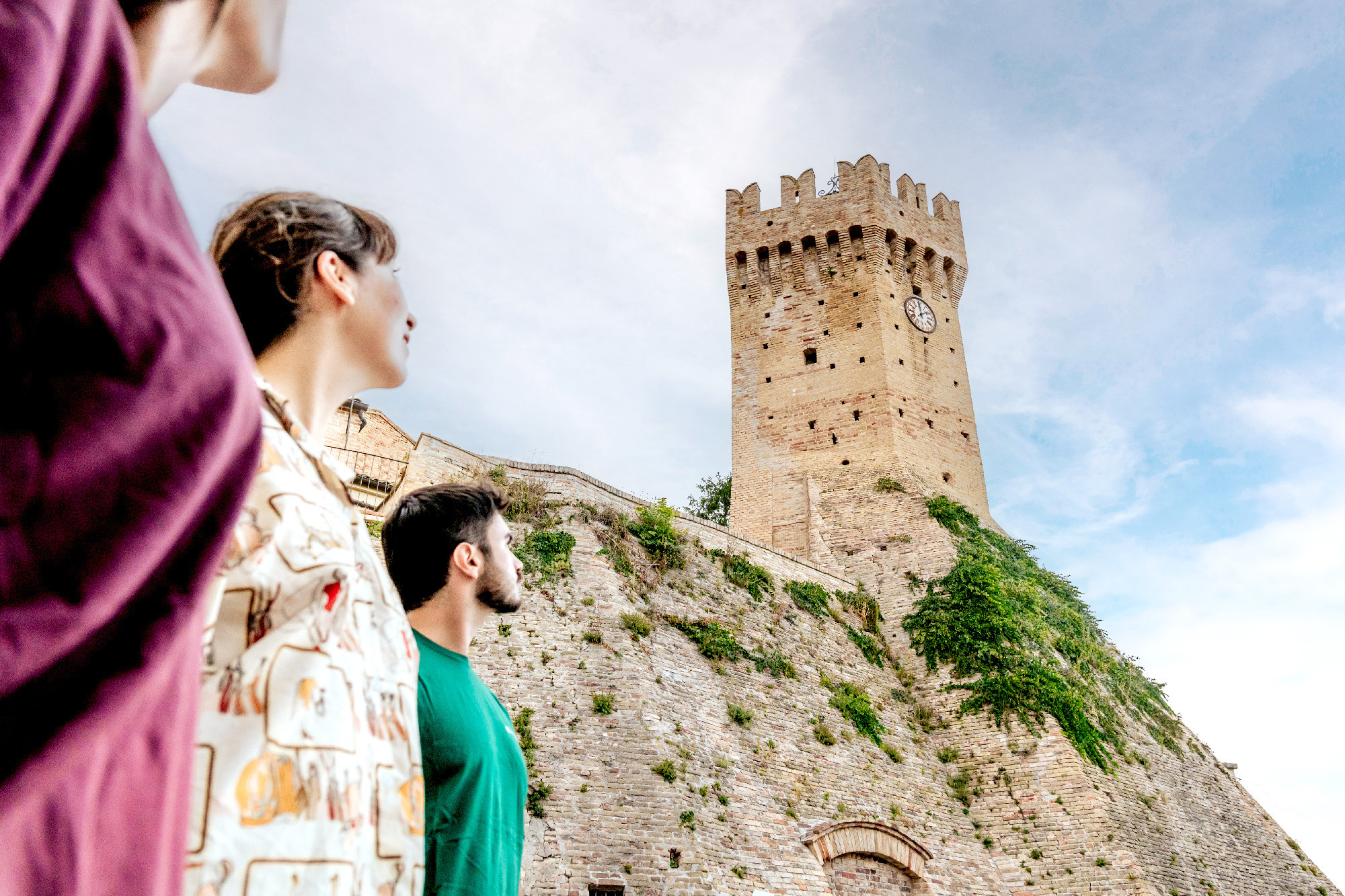
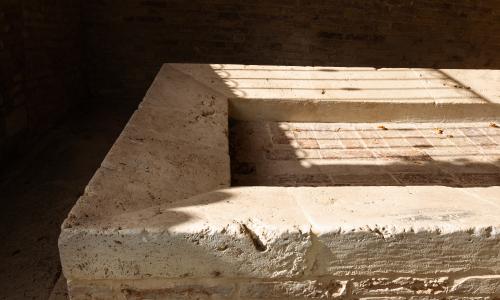
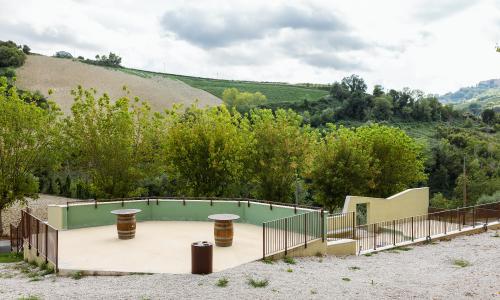
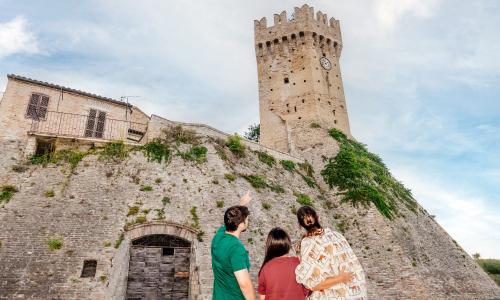
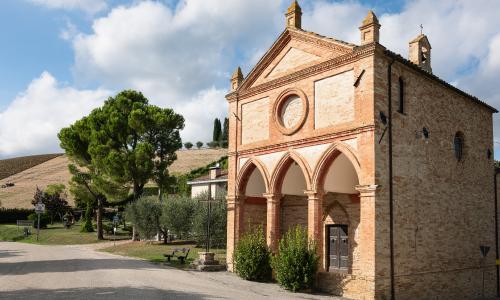
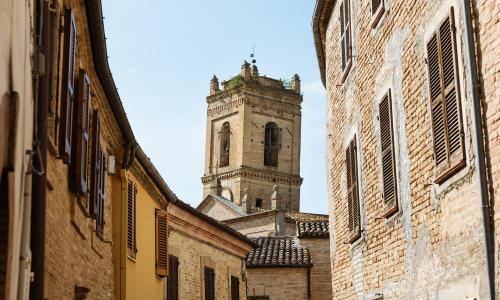
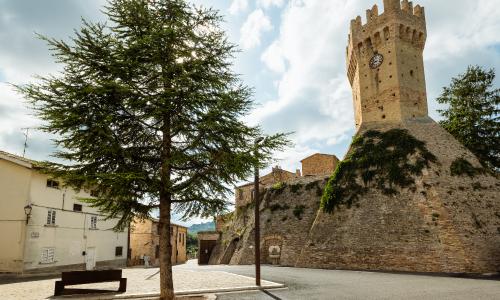
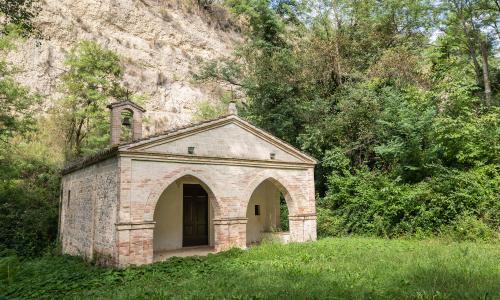
Porchia, once an independent municipality and today a hamlet of Montalto delle Marche, is a historic village perched on a ridge at 349 meters above sea level, rich in noble traces of its past. Its narrow streets and the remains of its walls tell the story of its long history. The territory of Porchia has been inhabited since ancient times, as evidenced by the presence of both Picene and Roman necropolises. The very name of the village derives from the gromatic term “Porcla,” literally meaning “land raised between two furrows.” However, its actual foundation dates back to the 4th century, during the barbarian invasions. It became a medieval castrum under the influence of the Farfense abbots.
In 1291, Pope Nicholas IV of Ascoli granted the castle its first form of autonomy, allowing it to elect its own podestà. Shortly afterward, Porchia became part of the castles under Ascoli’s jurisdiction, serving as the city’s northeastern stronghold. Ascoli, in turn, provided military support to the castle (1319–1321). This historic status is still remembered today, with Porchia’s representation participating in the Quintana of Ascoli Piceno. In 1586, Sisto V elevated Montalto to a diocesan seat, and the first bishop, Paolo Emilio Giovannini, was born in the castle of Porchia. The work of local brickmakers was also crucial, as they supplied the bricks for the construction of the new cathedral.
By royal decree in 1866, the municipality of Porchia ceased to exist and was permanently incorporated into Montalto delle Marche.