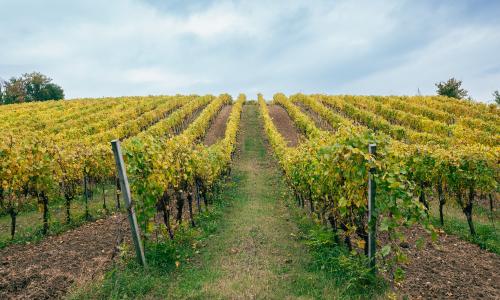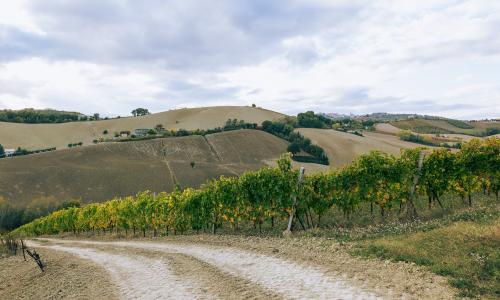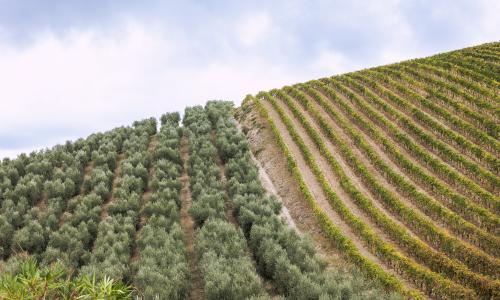


Montalto preserves a long-standing winemaking tradition that brings together rural knowledge, landscape, and quality. The area’s orography—with gentle slopes, clay and limestone soils, and the unique proximity between sea and mountains—creates a balanced, breezy microclimate, particularly well suited to organic farming.
The hills of Montalto are home to a rich heritage of both native and international grape varieties. Among the most widely grown white grapes are Pecorino, fresh and mineral yet also full-bodied, with aromas of white fruit and floral notes; Passerina, delicate and fragrant, an excellent base for elegant wines and sparkling styles; and Trebbiano Toscano and Chardonnay, which complete the production of well-balanced, harmonious white wines.
Among the typical red varieties, Sangiovese stands out as the most widespread in the Montalto area. Together with Montepulciano—full-bodied and round—it gives rise to an excellent Rosso Piceno, a wine of great character, structure, and freshness. These are joined by Merlot and Cabernet Sauvignon, two international varieties that add complexity and depth to local wines.
Montalto lies within the production area of some of the most prestigious appellations in the Marche region: Offida Pecorino DOCG, Offida Passerina DOCG, Offida Rosso DOCG, Terre di Offida DOC, Falerio DOC, Falerio Pecorino DOC, and Rosso Piceno DOC.
One of the distinctive features of the territory is the orientation of its hills, which face multiple directions: some vineyards are exposed to the west, others to the east, south, or north. This variety of exposures allows for the optimal cultivation of all grape types, both white and red, from those that prefer cooler climates to those that thrive in warmth and sunshine. It is precisely this diversity that gives Montalto its surprising range of wines, capable of pairing with every dish and every occasion.
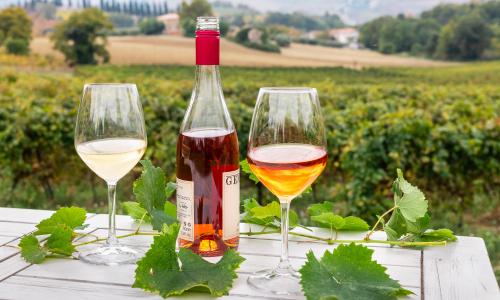
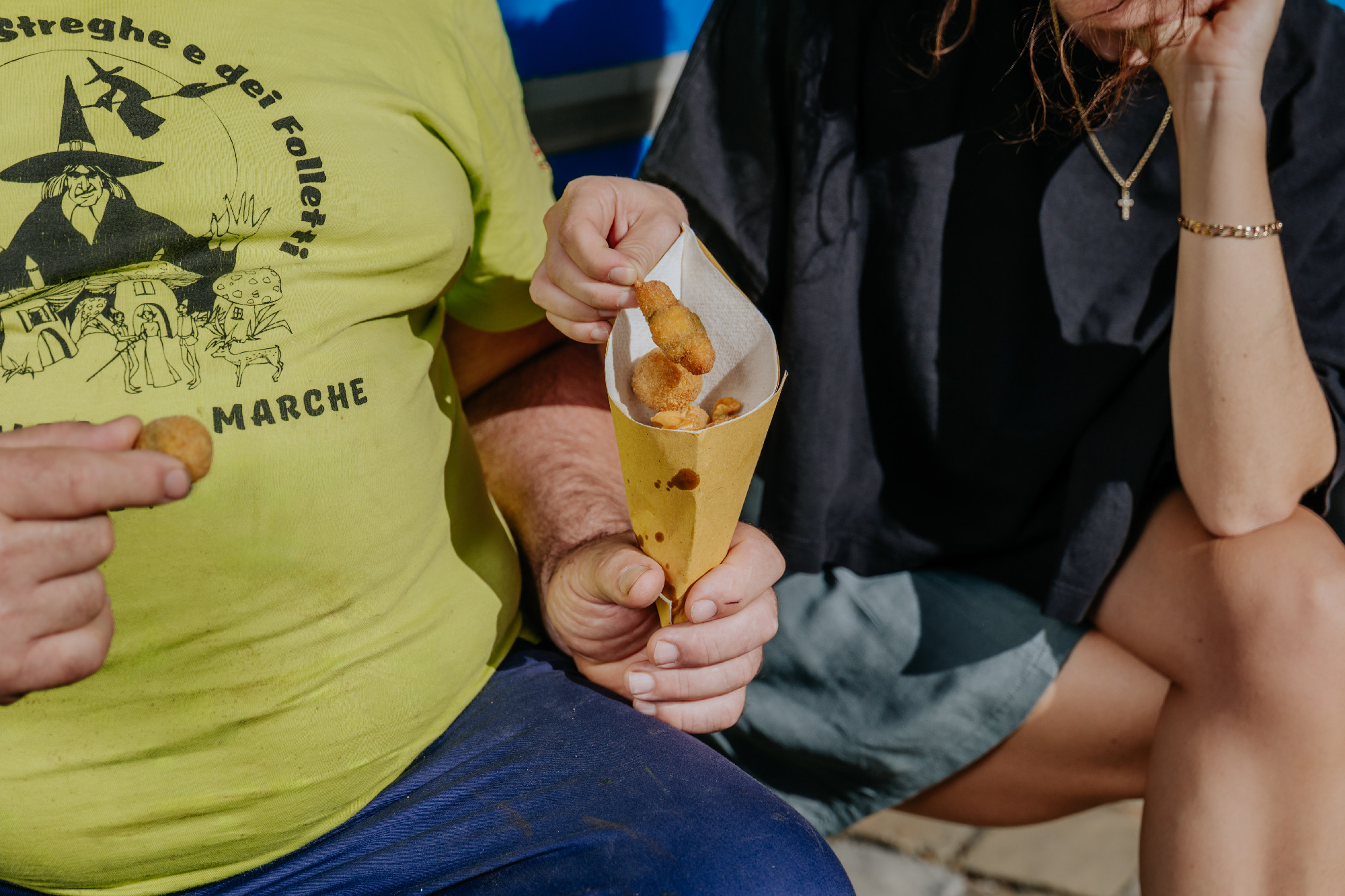
Here, wine accompanies every moment at the table. The journey begins with sparkling wines, perfect for appetizers and aperitifs—most notably the pairing of Passerina sparkling wine with the famous Olive all’Ascolana. It continues with still whites and rosés, such as still Passerina or Sangiovese rosé, ideal companions to Adriatic seafood dishes. Pecorino, thanks to its structure and aromatic complexity, pairs beautifully with white meats such as chicken and rabbit, even when roasted. Red wines, in varying levels of structure, complement the many dishes of local tradition, from cured meats like ciauscolo to lamb, the symbolic meat of Piceno cuisine. To end the meal, passito wines or the traditional vino cotto are served with desserts, followed by mistrà—a wine-based spirit often flavored with anise, another crop typical of the area.