If you don't have a card, you're missing out. Experiences, services and more...
.



Welcome to Montalto, the Metroborgo of Le Marche!
The soul, energy, and vitality of a metropolis in a small village.
Here, the richness of history and the enchanting location halfway between the Adriatic Sea and the Sibillini Mountains meet the greenery of rolling hills. Montalto delle Marche is a town to be discovered slowly—enjoying a stroll through the historic center, the Cassero, and marveling at the magnificence of the Co-Cathedral dedicated to the Assumption, the noble palaces, and unforgettable views and landscapes.
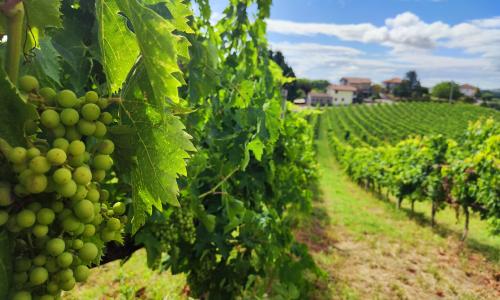
And it’s not just the historic center of Montalto… the entire territory awaits exploration, including its hamlets and their castles.
Everything you need to know: the history, experiences, local delights, sights, and things to do.
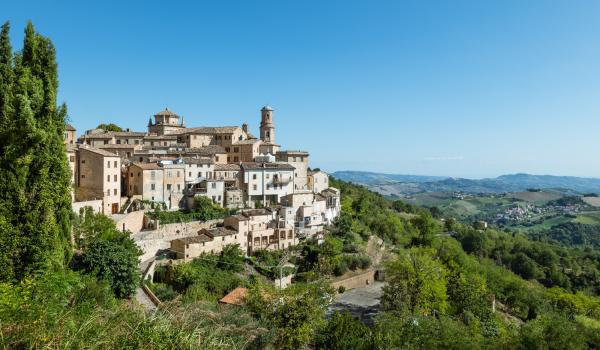
Montalto delle Marche is located in the hilly strip from the Adriatic coast to the Sibillini Mountains in Le Marche region, twenty minutes from both the sea and the mountains, surrounded by hills and villages all around. A rich history, shaped by the love and vision of the great figures for whom Montalto was birthplace, homeland, and source of inspiration. Among the most illustrious are Felice Peretti, later Pope Sixtus V, and Giuseppe Sacconi, the architect and designer of the Vittoriano. In addition to the early medieval town center, the town also includes the hamlets (the Castles) of Porchia and Patrignone and the Aso Valley hamlet of Montalto, the garden of Le Marche.
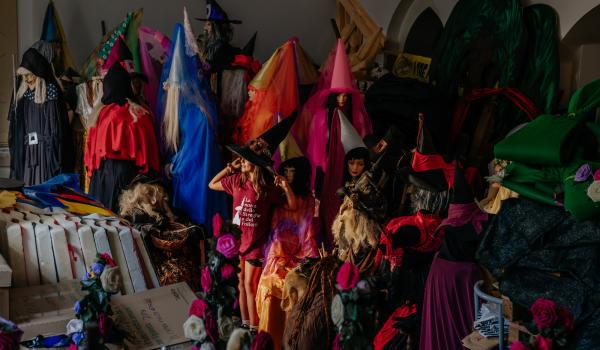
In Montalto, dreaming is perfectly normal! You can be enchanted watching the sun reflecting on the distant sea, imagining a lively and magical nature, feeling a thrill wandering through misty alleyways, and marveling like a child at the moon and stars. Living here feels like a fairy tale, and for over 30 years, Montalto has truly been “the Village of Fairy Tales,” thanks to the long-standing "Notte delle Streghe e dei Folletti". But that’s not all: thanks to the many activities dedicated specifically to children and their families—from summer camps to theater—there are countless opportunities and inspirations to grow up well in a healthy place, where there is always room for imagination and creativity.
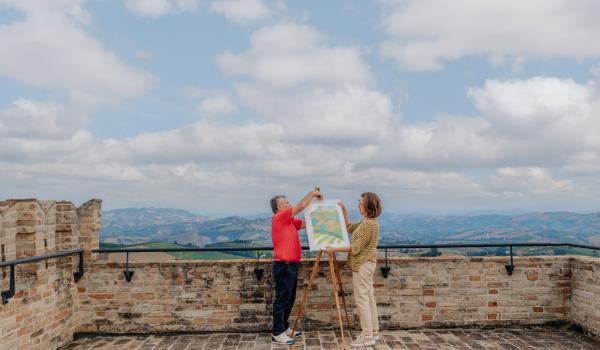
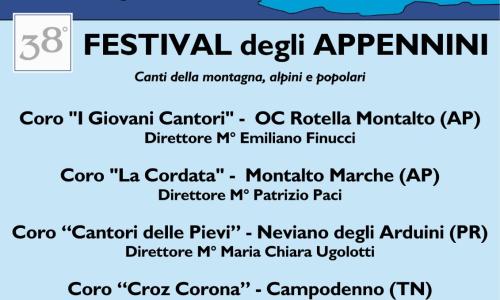
Montalto delle Marche boasts an extraordinary cultural heritage, both tangible and intangible. From historic and noble palaces to the medieval town center, from rich civic collections to precious historical archives, as well as temporary exhibitions and artist residencies. The town’s cultural vibrancy is palpable in the many initiatives that enliven the quiet streets with theater evenings, festivals, concerts, art exhibitions, and conferences. There are also events dedicated to local food and wine, traditions, and folklore.
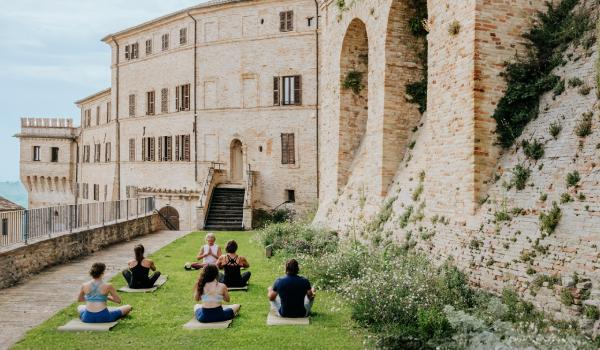
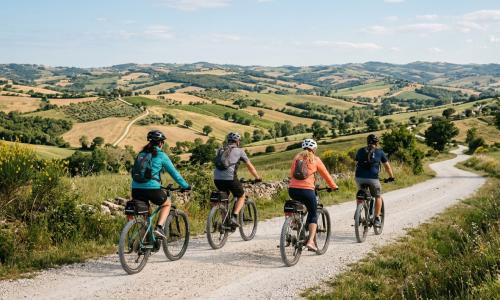
Montalto, thanks to its location surrounded by greenery and the tranquility that defines it, is the ideal place to rediscover well-being for both body and mind. From relaxing walks immersed in nature to hiking trails, from yoga to tennis, there are many ways to rejuvenate and experience the beauty of harmonizing spirit, mind, and body.
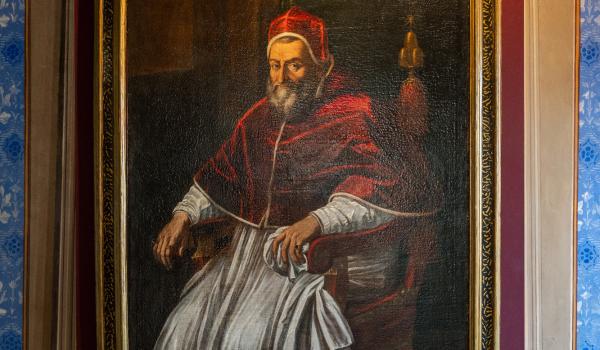
The era of Sisto V was marked by intense religious tensions. In the 1500s, the corruption within ecclesiastical circles, political upheavals, and rivalries created fertile ground for the outbreak of religious conflicts, culminating in the publication of the Lutheran theses and the beginning of the Protestant Reformation. In this challenging context, the Council of Trent slowly got underway, earning Sisto V, among his many titles, the nickname “Pope of the Counter-Reformation.”
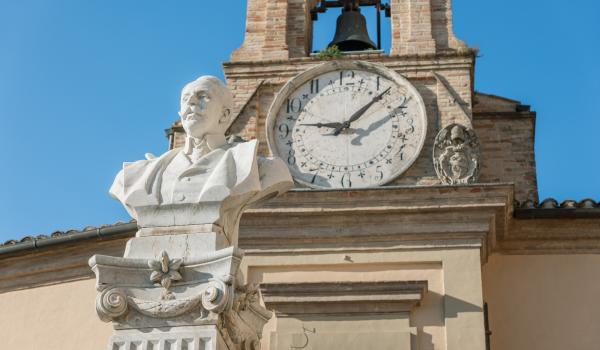
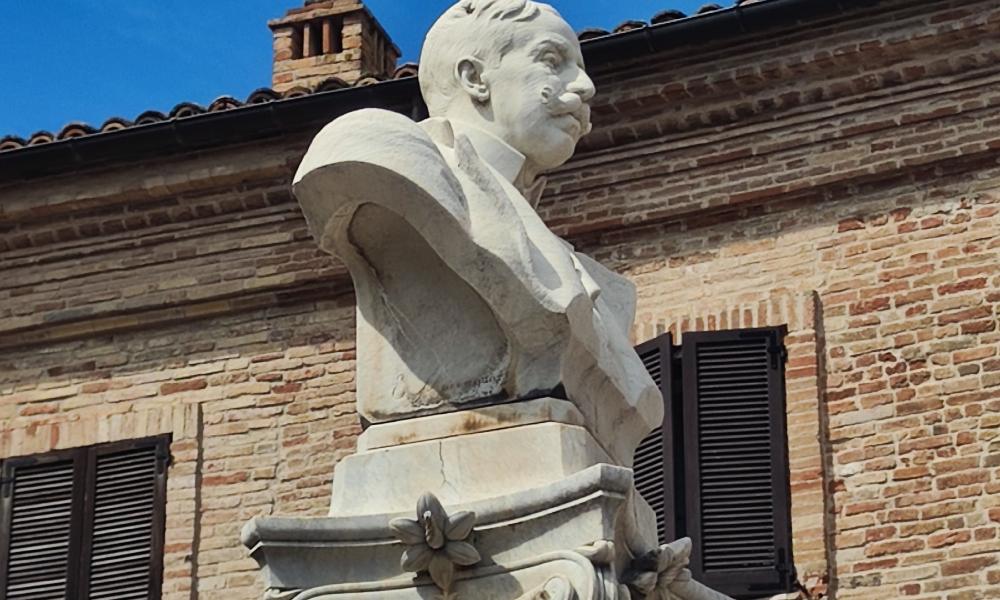
There is a long-standing tradition regarding the origins of the Sacconi family, although it is not supported by documented evidence. According to this tradition, the family would descend from the Tarlati of Pietramala, lords of Arezzo, with the progenitor Pietro, nicknamed “il Saccone” for having conquered and sacked Città di Castello. In reality, historical documents attest that the family originates from Villa Casale in Montegallo, at the foot of Mount Vettore. The family name, originally a nickname, refers to the “sacconi,” followers of the Ascoli heretic Meco del Sacco.
If you don't have a card, you're missing out. Experiences, services and more...
.