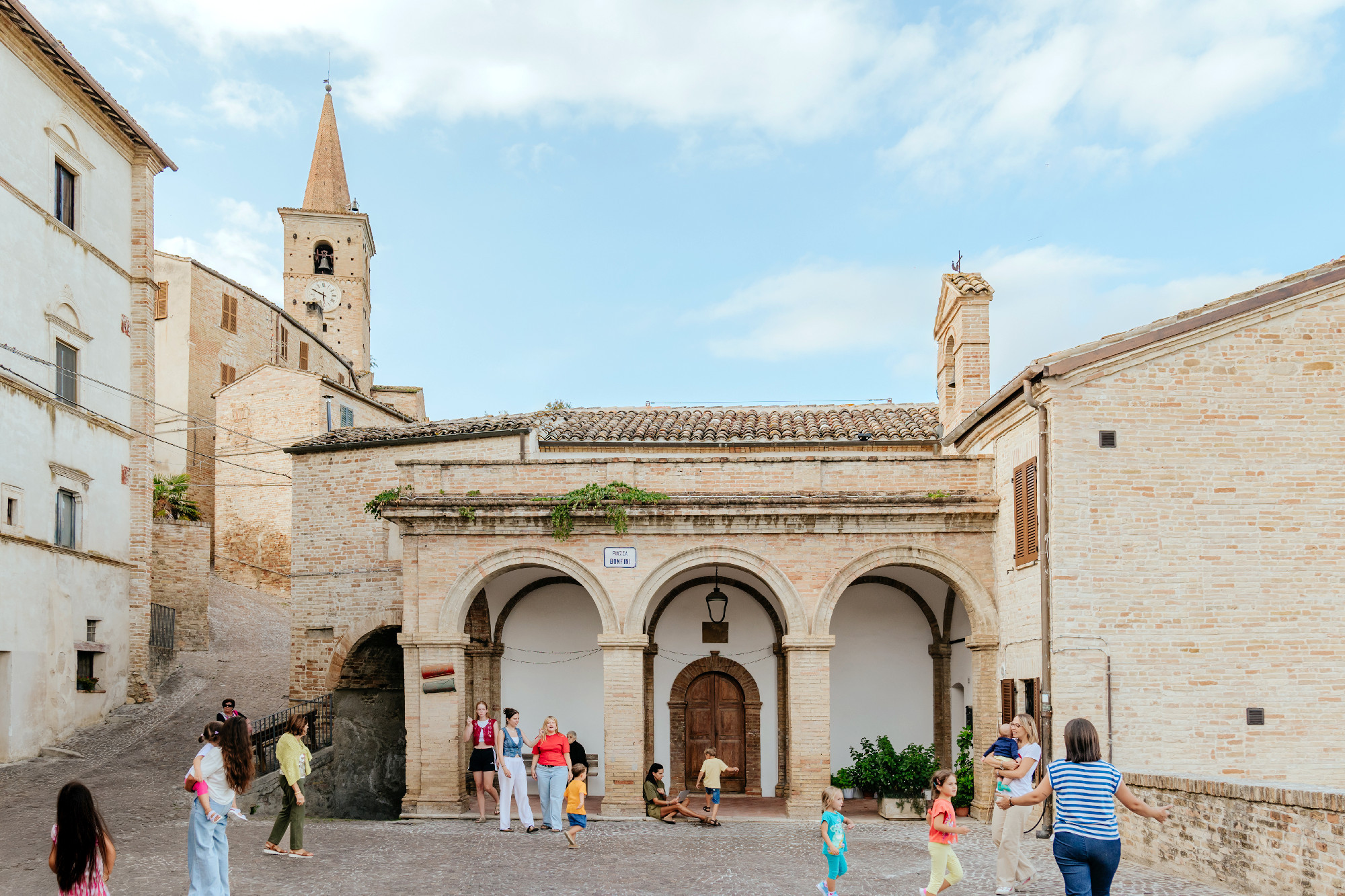
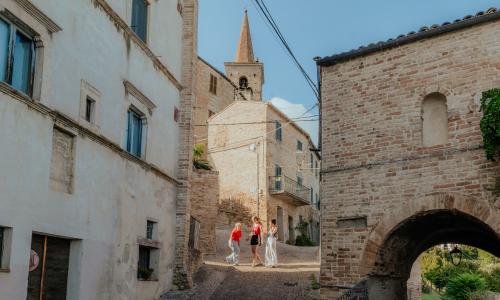
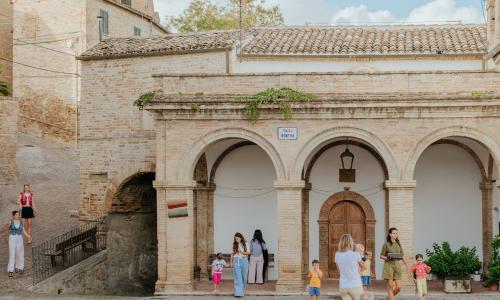
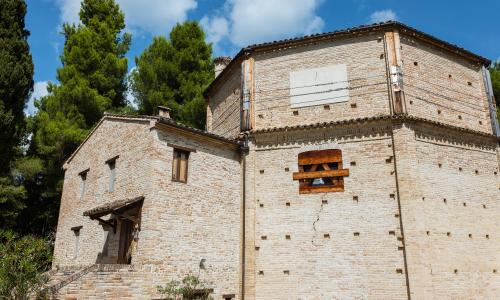
Perched atop a cliff at 394 meters above sea level, once an independent municipality, it is known as “little Urbino” due to the numerous ups and downs that define its streets and the distinctly Renaissance character of its architecture.
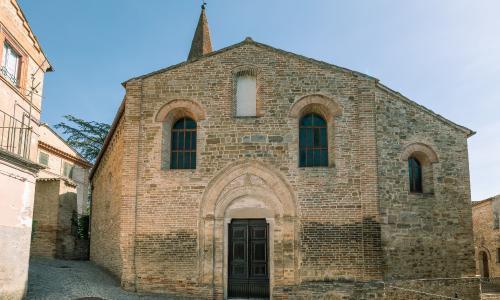
The name’s origin is linked to the Latin Paternus. There are numerous archaeological remains dating back to Roman times. Already a medieval commune, the castle featured the typical fortified structure and belonged to the powerful Lords of Monte Passillo, later ceded to the Farfense abbots and finally to the city of Ascoli in 1249, with which it still maintains a connection by participating in the annual Quintana chivalric tournament. Particularly significant for understanding Patrignone’s history is the mysterious inscription on the so-called Porta del Borgo, which reveals that it was made in 1262 under the reign of Manfredi, son of Frederick II. The town preserves its historic layout, charmingly embedded in the hilly landscape, with remaining gates of its city walls and buildings from the 15th–17th centuries.
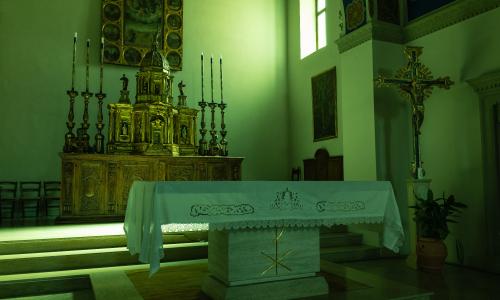
Patrignone experienced its most important historical moments in the 15th and 16th centuries, producing monuments, works of art, and giving birth to the illustrious Bonfini family, distinguished in the arts as painters, skilled woodcarvers, and internationally renowned scholars such as the humanist Antonio Bonfini, a profound expert and author of Hungarian history. It remained an autonomous commune until the Unification of Italy and in 1866 was incorporated into the current municipality. Patrignone is therefore a unique and significant place, notable for the many prominent figures it produced and for the cultural vitality fostered over the centuries, visible in the density of artworks present. Its architecture, at once sober and refined, also reflects a keen sensitivity to beauty that can be felt throughout the town.