

 Corso Antonio Bonfini, 17, 63068 Patrignone AP
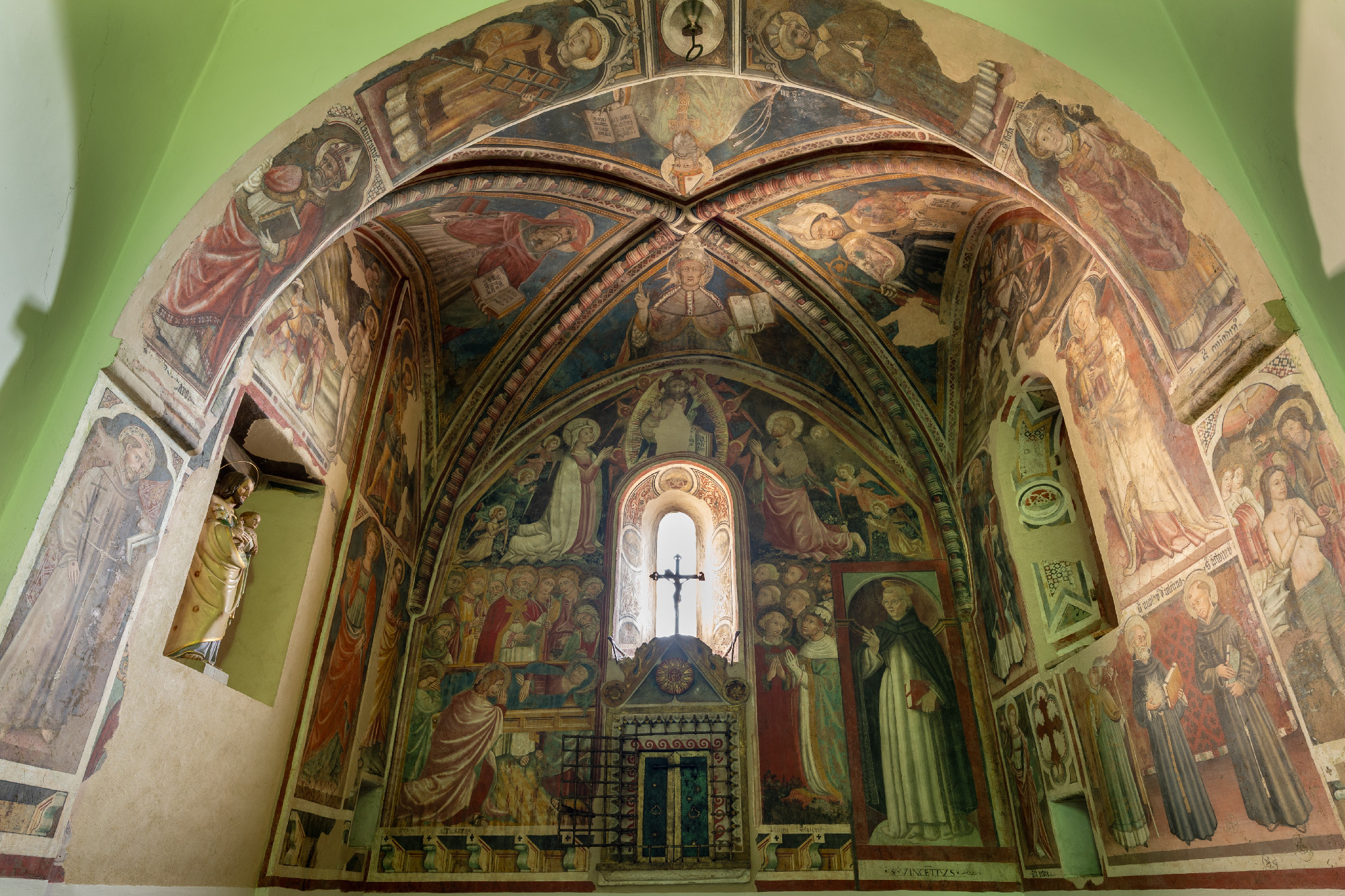
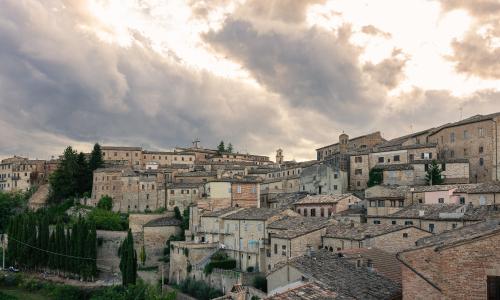
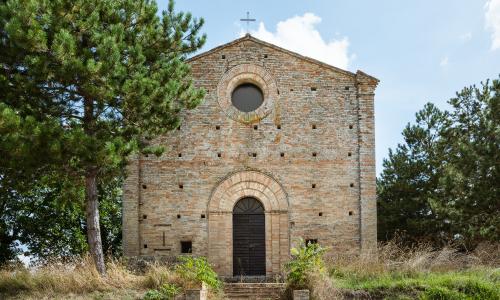
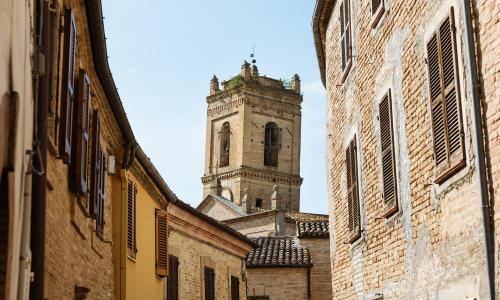
The church is nestled like a jewel within the urban fabric of the village, a fitting description given Patrignone’s vegetation, characterized by the abundant presence of low-growing plants such as wicker. The play of light and the magnetic atmosphere inside the church is truly captivating.
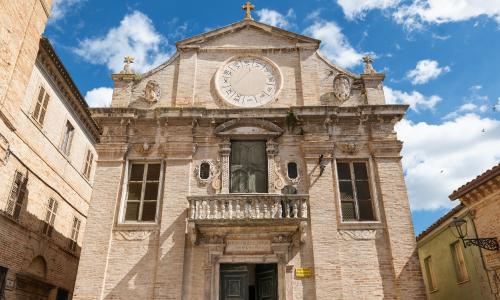
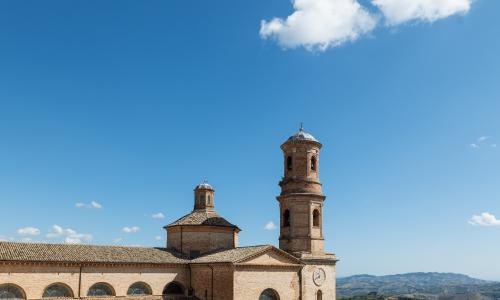
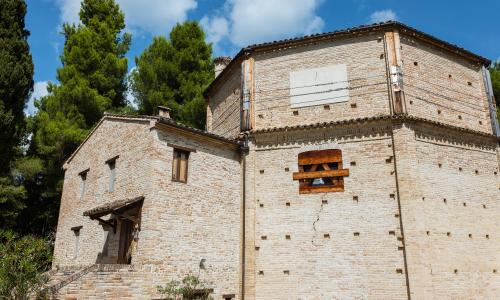
Built in a Romanesque style, the church faces a small, intimate square. Its construction dates to around the first half of the 14th century, with subsequent architectural interventions in the 15th and 20th centuries. It houses frescoes from the 14th, 15th, and 16th centuries, attributed to Pagani, Paolo da Visso, Francesco Agnello, and Giacomo Bonfini, along with sculptural and carved works, making it a true treasure trove of art. Inside, the church has an almost rectangular plan divided into three naves of equal height, covered by a single pitched roof. In the left nave, it preserves valuable frescoes such as the Nativity and the Adoration of the Magi, attributed to Fra’ Marino Angeli, who also painted two votive frescoes dedicated to Saint Amico and Saint Rocco between 1459 and 1463.
The Patrignone artist Giacomo Bonfini (1470–1533) is credited with frescoes depicting the Madonna della Misericordia, Saint Catherine of Alexandria, Saint Louis of Toulouse, and Saint James of Compostela. Equally noteworthy are the gilded wooden tabernacle by the carver Desiderio Bonfini and the altarpiece by Francesco Agnelli from Patrignone, depicting the Madonna of the Rosary and the Fifteen Mysteries, located in the presbytery and dated to 1577. Another member of the Bonfini family, Martino Bonfini, is attributed with two paintings: one depicting the Madonna and Child with Saints Jerome and Francis and the other Saint Archangel. On the left altar, in a glass case, is a 14th-century terracotta Pietà.
The Church of Santa Maria de Viminatu can therefore be compared to a book, where each page tells the story and development of the castle of Patrignone. Its paintings and furnishings reveal the pictorial and artisanal traditions of the area, marking the passage from one era to another, showing the succession of hands, styles, clothing, and settings that express local tradition. In short, it is the most beautiful expression of the devotion of the people of Patrignone, promoted by the Farfense monks and the patronage of the Bonfini family.
The church is open for visits on Sunday mornings during the religious service at 10:00 AM.