

 Via Fabio Biondi, 63068 Montalto delle Marche AP
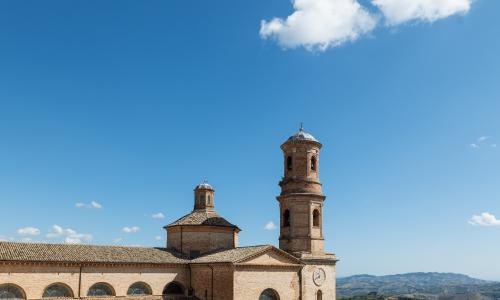
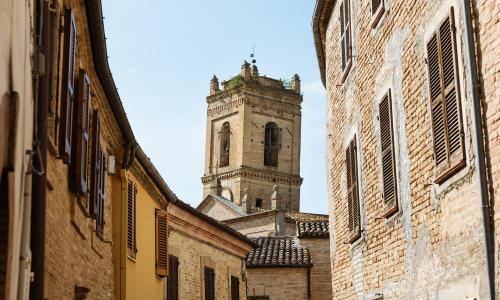
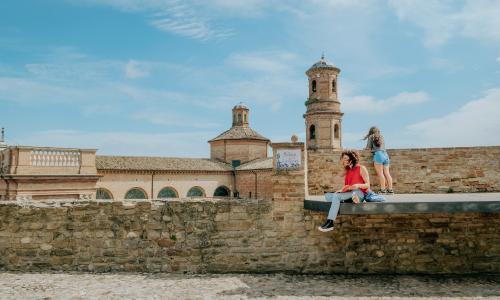
This area of Montalto’s historic center takes its name from naval terminology, in which the cassero refers to the highest part of ancient vessels. The district developed on the summit of Monte Patrizio and has its central nucleus in Piazza Giacomo Leopardi.
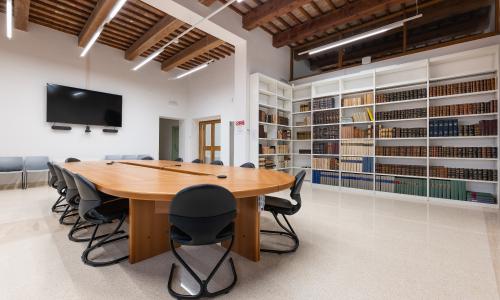
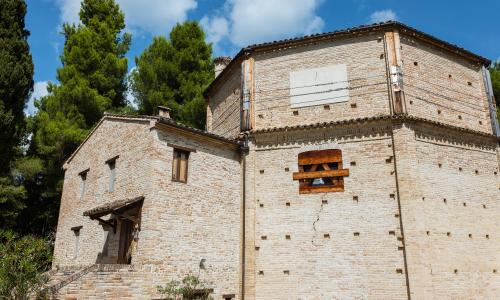
According to archival documents, the Sistine Mint—strongly desired by Pope Sixtus V and active in Montalto between 1587 and 1591—was located precisely in the Cassero, most likely in Via Fabio Biondi near the Porta dei Leoni, well protected by the city walls and sheltered from bandit raids. In 1587, with the bull In supremo, Sixtus V established a mint in Montalto to strike coinage. This was not merely a privilege, but a necessity dictated by the need for a large supply of money to meet the costs of the new constructions planned for the city. The local mint produced silver coins—bearing the image of the Pope on one side and that of the Madonna Assunta, patroness of the Cathedral, on the other—as well as copper coins and coins of billon (an alloy of silver and base metal).
The preparatory works proceeded briskly, with immediate socio-economic repercussions for the local population. Minting activity was suspended for a period due to the mediocre quality of the alloys and metals used, but later resumed and continued until the spring of 1591. With the death of the Pontiff, the conditions for maintaining the Mint ceased to exist. The premises were dismantled and the materials reassigned to new uses, as evidenced by a terse entry in the municipal expenditure ledger, which records that “…the workers who dismantled the mint room carried the stone blocks to the construction site of the Pistrino…”.