

 Contrada Maglio, 18, 63068 Montalto delle Marche AP
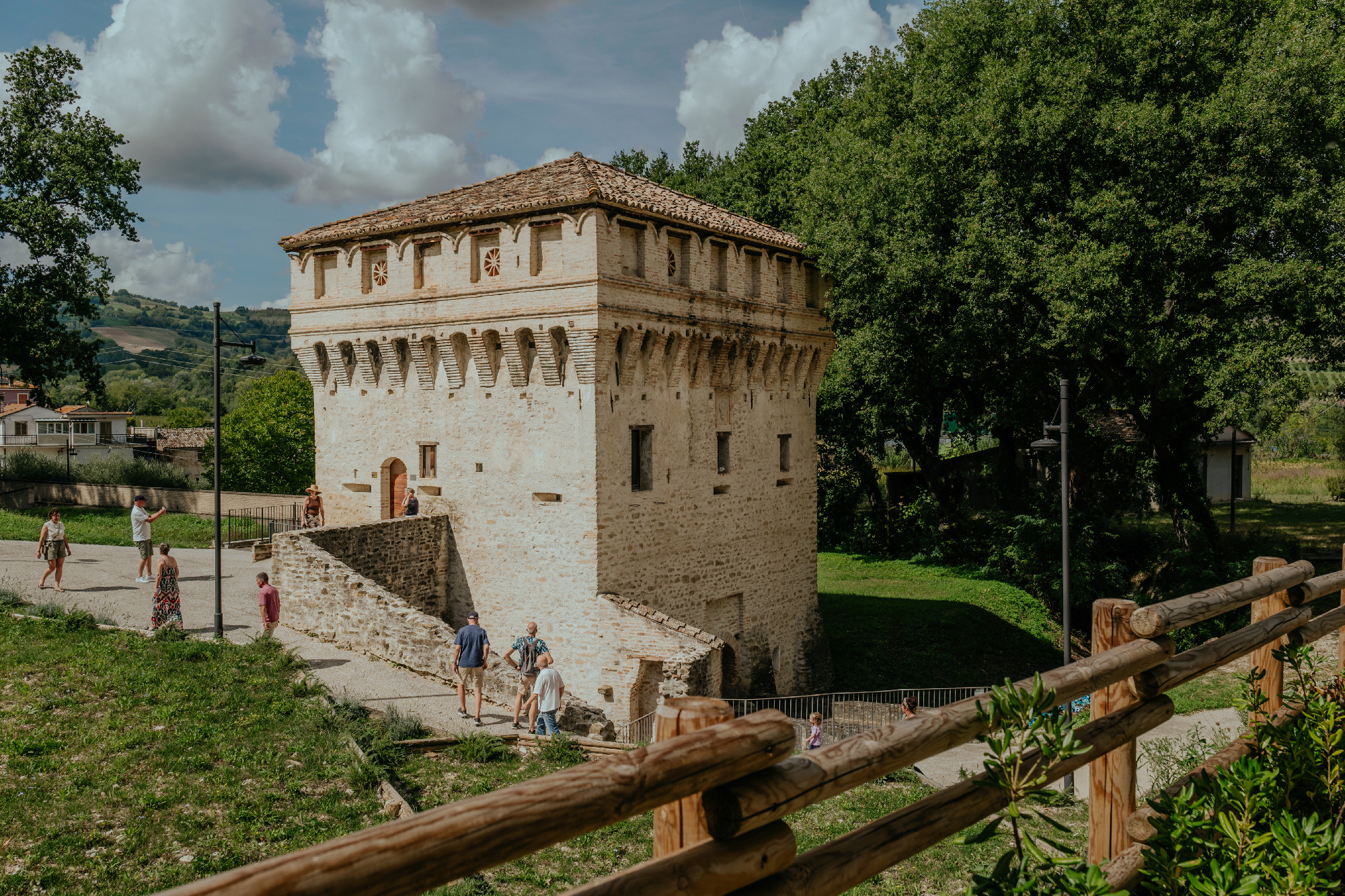
Along the Valdaso, amidst orchards and vineyards, stands the monumental Mill of Sisto V, one of the rare examples of a fortified mill in the Marche region. Its presence and activity are documented as far back as 1320, as attested by the oldest Historical Municipal Cadastre of Montalto (Catastrum Vetustior).
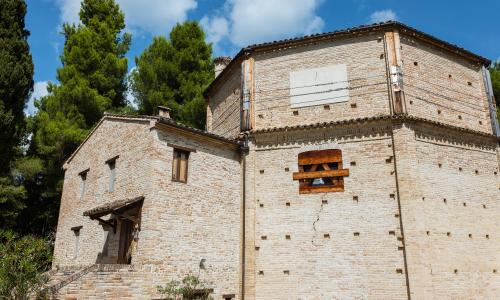
The structure rises over three levels: the basement still houses the millstones used for grinding wheat; the second floor served as the miller’s residence; and the third, originally equipped with regular battlements and a walkway to protect the mill from bandit attacks, was later covered with a pitched roof and converted into a dovecote. The defining architectural feature is precisely the battlemented top, which identifies it as a fortified mill. Of particular interest on the northeast wall above the mill entrance is a sandstone coat of arms displaying two crossed pairs of keys and five mountains topped by a five-branch palm. On the field from which the emblem emerges, decorated with two rosettes on either side at the top, the date 1525 is inscribed, linking the coat of arms to the pontificate of Clement VII (Giulio de’ Medici).
The name “Mill of Sisto V” actually derives from the fact that on January 27, 1567, a deed signed by Notary Nicola Mazzocchi recorded the Prior Lords of the Montalto Community ceding the revenues of the mill on the Aso River for five years to Felice Peretti (the future Sisto V) and his sister Camilla, offsetting the 600 florins that the Community had borrowed from the Peretti family.
The building continued to function as a mill well into the late 18th century, playing a key role in the economic, rural, and civic life of the towns along the middle Aso Valley, as documented in the 1772 cadastre. During the pontificate of Pius VI, between June and September 1797, a mint was installed in the mill to coin “Madonnine” and “Sampietrini.” Once the mint was dismantled, the building resumed its original milling activity.
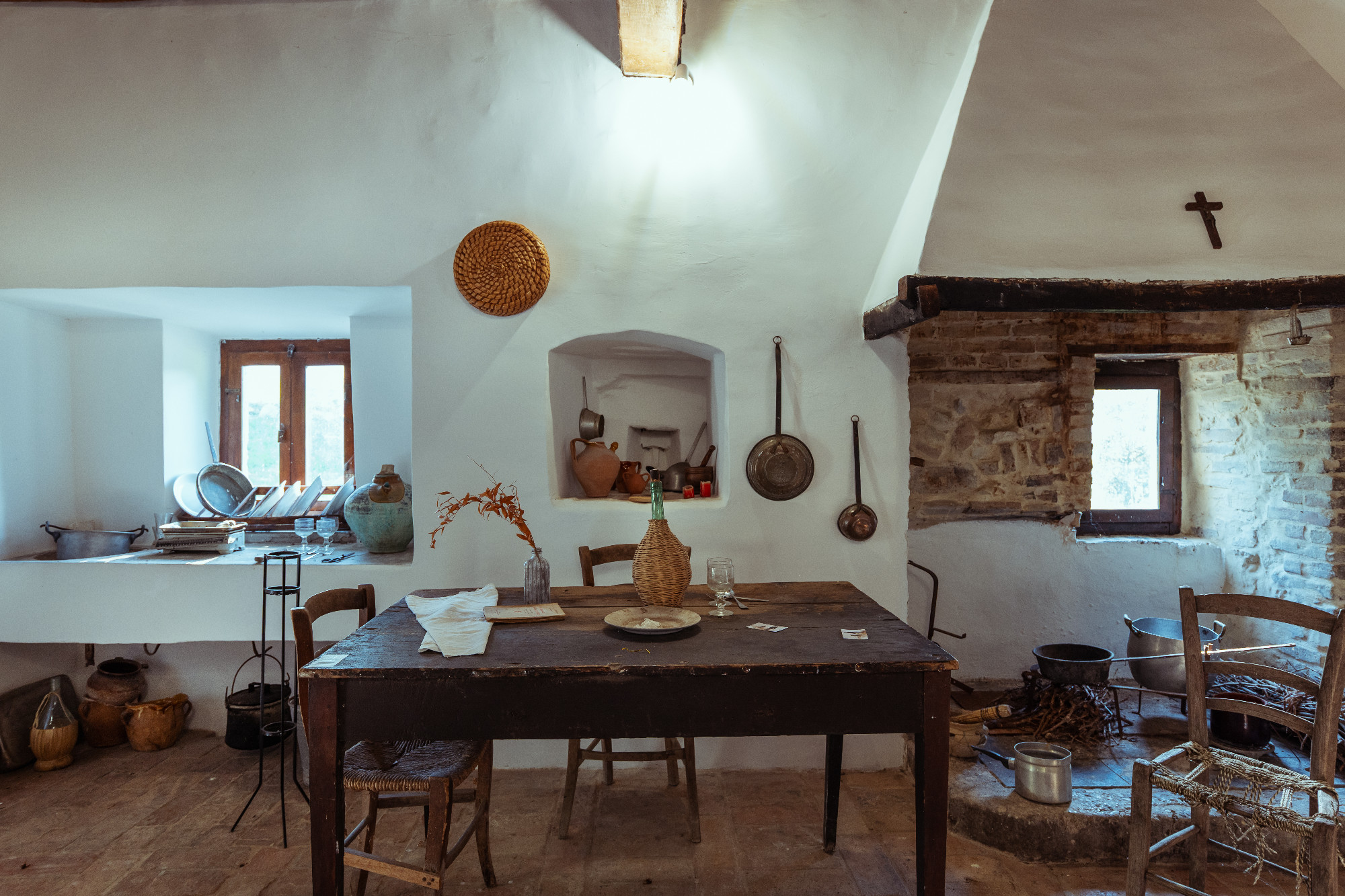
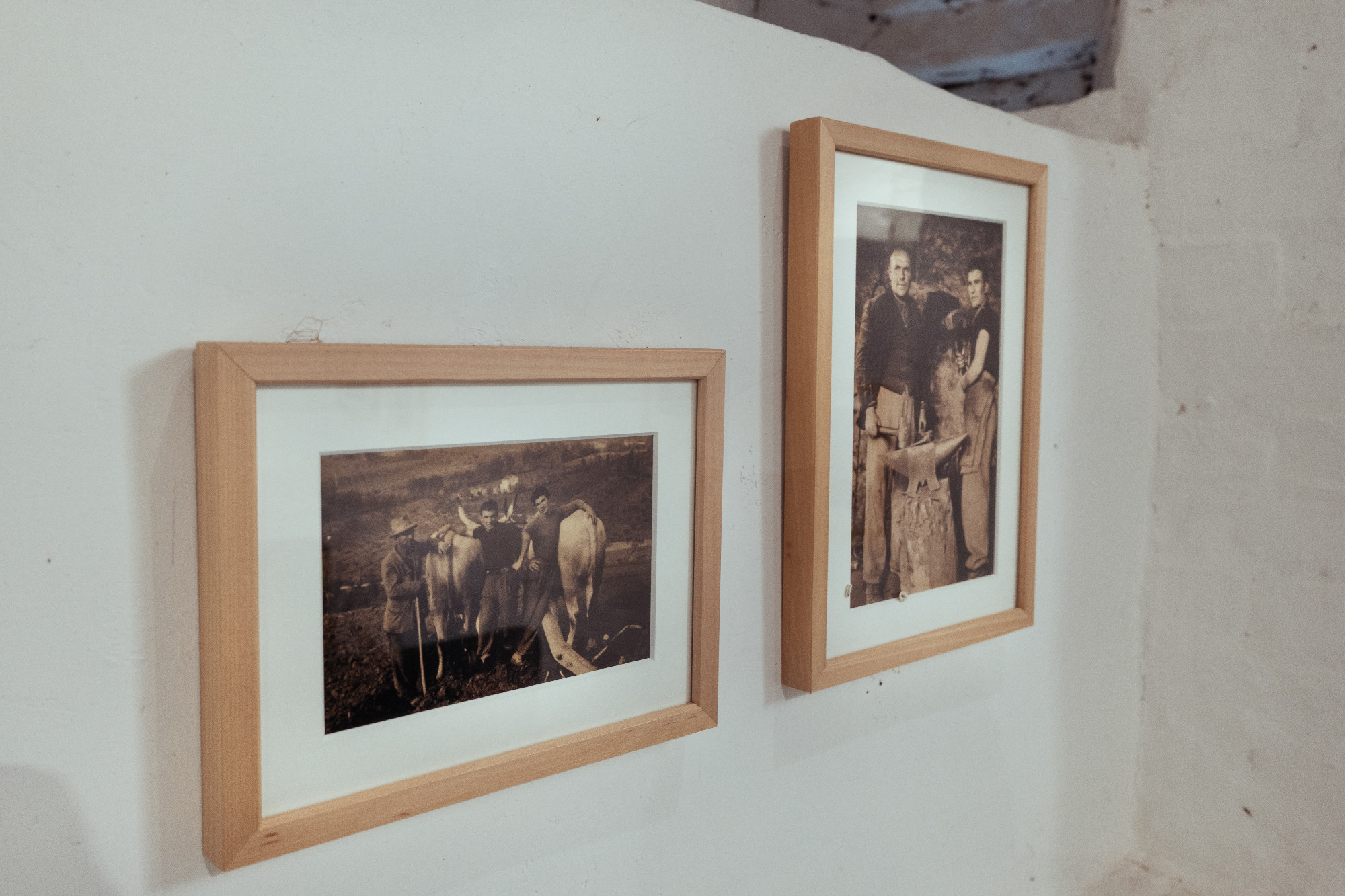
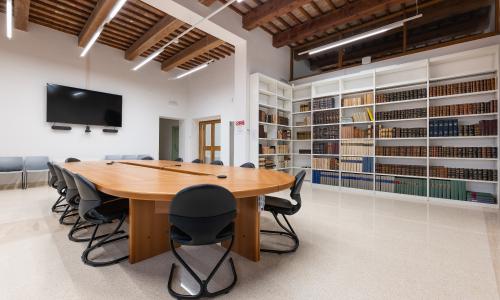
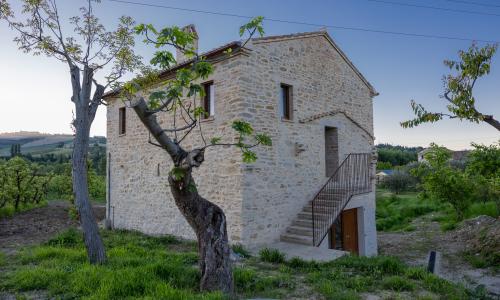
Today, fully restored, the upper floor houses over fifty historical photographs, most of which were produced in the early 20th century by Carlo Baffoni, a pioneer of photography in the Piceno region. The ground floor spaces of the ancient structure host the permanent exhibition “As Water Blows, As Wind Flows”, a project by artist Alex Urso, who reinterpreted the photographic archive in a contemporary key. The installation includes historical furnishings, puzzles inspired by archival images, audio narrations, historical videos, and the use of augmented reality to recreate some of the photographs preserved upstairs. Formerly a hub for events, collective exhibitions, artistic residencies, conferences, and concerts, and a place promoting the wine and fruit products of the Valdaso, the recently enhanced exterior offers a perfect spot to rest, enjoy a picnic, or simply take in the striking beauty of the site in dialogue with nature.