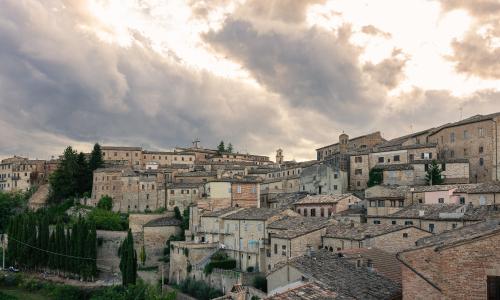


 SP23, 6, 63068 Montalto delle Marche AP
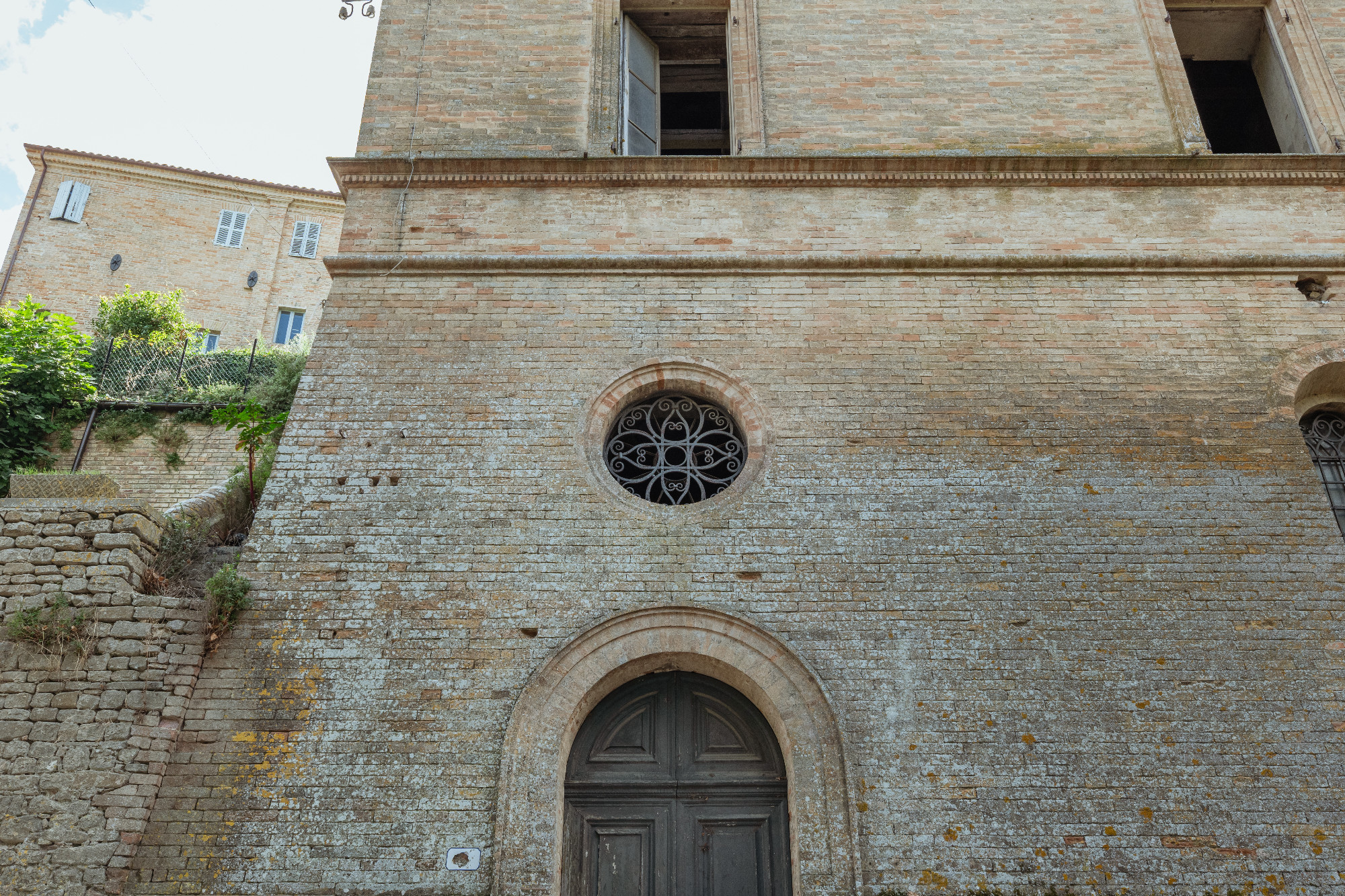
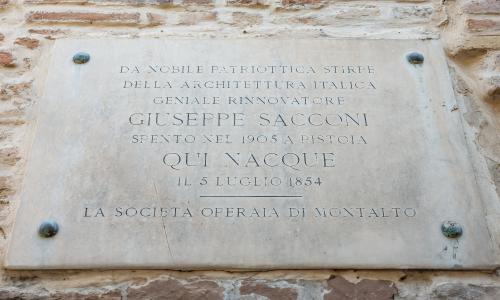
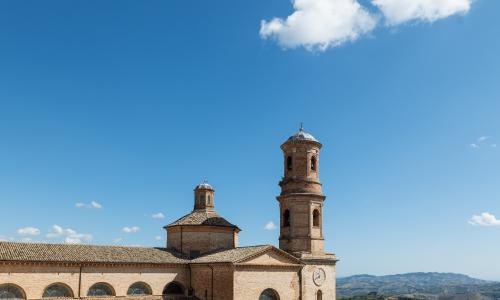
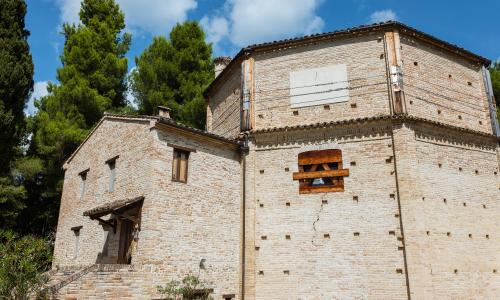
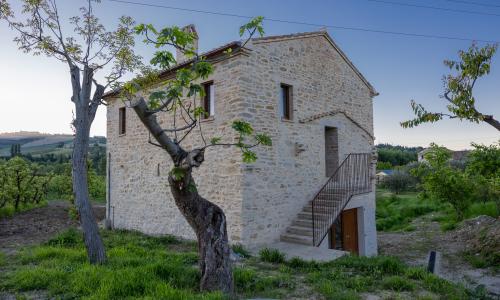
Palazzo Sacconi owes its construction to the noble Sacconi family of Porchia, which is also linked to the important figure of the architect Giuseppe Sacconi. The building was designed by Luigi Fontana and constructed between the late 19th and early 20th centuries, at the same time he was completing the Cathedral. At the end of the 1800s, Cardinal Carlo Sacconi expanded the residence by adding a large new building used as a warehouse and granary. The structure, consisting of four floors, was partly used as an archive and partly as a storage facility, as evidenced by the series of ramps on the right side of the façade, which at the time could be traversed by carts to reach the different floors of the building.
In 1954, Bishop Vincenzo Radicioni acquired the palace from the Sacconi family to make it the seat of the Diocese of Montalto, but the project was never realized. Registered in the Gregorian cadastre, part of the property was purchased by Cardinal Carlo Sacconi’s nephews, Giacomo and Stanislao. The dual function of palace and warehouse gave the structure its distinctive architectural character.
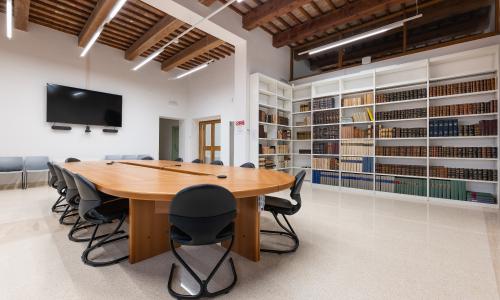
During the 20th century, the building was used as a warehouse and wool mill. After years of abandonment, it was recently acquired by the Municipality, and thanks to the Metroborgo project, the doors of Palazzo Sacconi will reopen. The top panoramic floor will host a large dining area and conference hall, while the evocative vaulted spaces on the ground floor will house a wellness spa and areas serving both residents and guests of the new accommodation facilities in the village. The intermediate floors will host an incubator for the development of the village, offering a variety of services for the community and local businesses.