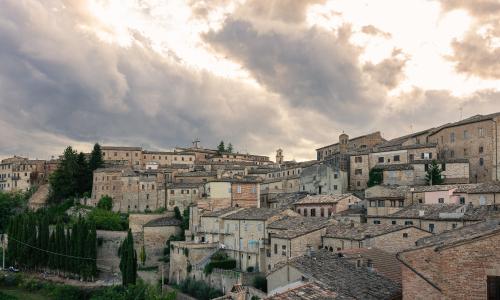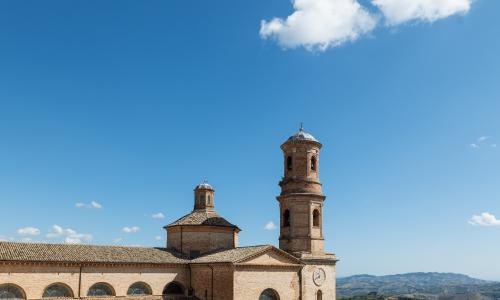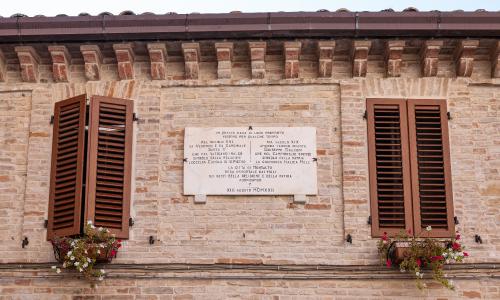


Libero Bizzarri was born in Montalto delle Marche on May 3, 1926. He was a journalist, teacher, essayist, and film director.
In his youth, he was active in politics and journalism. In 1949, he moved to Rome, where he worked for the editorial offices of Avanti, Mondo Operaio, and Lavoro. He developed an interest in cinema, participating in the activities of the Circolo Italiano del Cinema, which brought together the most prominent figures from the worlds of culture and entertainment. He collaborated with several specialized magazines, focusing particularly on the economic and structural issues of the film industry. Together with Libero Solaroli, he authored a book that remained a unique contribution to film studies: L’industria cinematografica italiana (Parenti, 1958).
From the 1950s onward, Bizzarri began producing short films on a variety of subjects, with a particular focus on painting. He participated in several film festivals, including Venice, Berlin, Padua, Moscow, and Karlovy Vary. He received multiple international awards and, in 1961, was nominated for an Oscar for the short film Boccioni e i futuristi.
He taught at the Centro Sperimentale di Cinematografia in Rome and was a professor of Film Language at the Istituto Superiore di Giornalismo e Tecniche Audiovisive. He was actively involved with the ANAC (National Association of Film Authors), was a co-founder of Cinema Democratico, and a member of the PCI’s Department of Entertainment. He advocated for the revival of Italian film and television production and for its defense against foreign domination.
In 1976, he founded the production company Eagle Cinematografica, which allowed him greater autonomy in his work. That same year, he began collaborating with RAI, producing some of his most important works, including Le repubbliche partigiane, La vera storia del Generale Custer, Enrico Mattei, and Badoglio, as well as directing various television segments, including a series titled Di tasca nostra.
At the time of his death on March 31, 1986, he was working on the series I protagonisti del nostro tempo, which focused on Italians who had achieved prominent positions in the world.