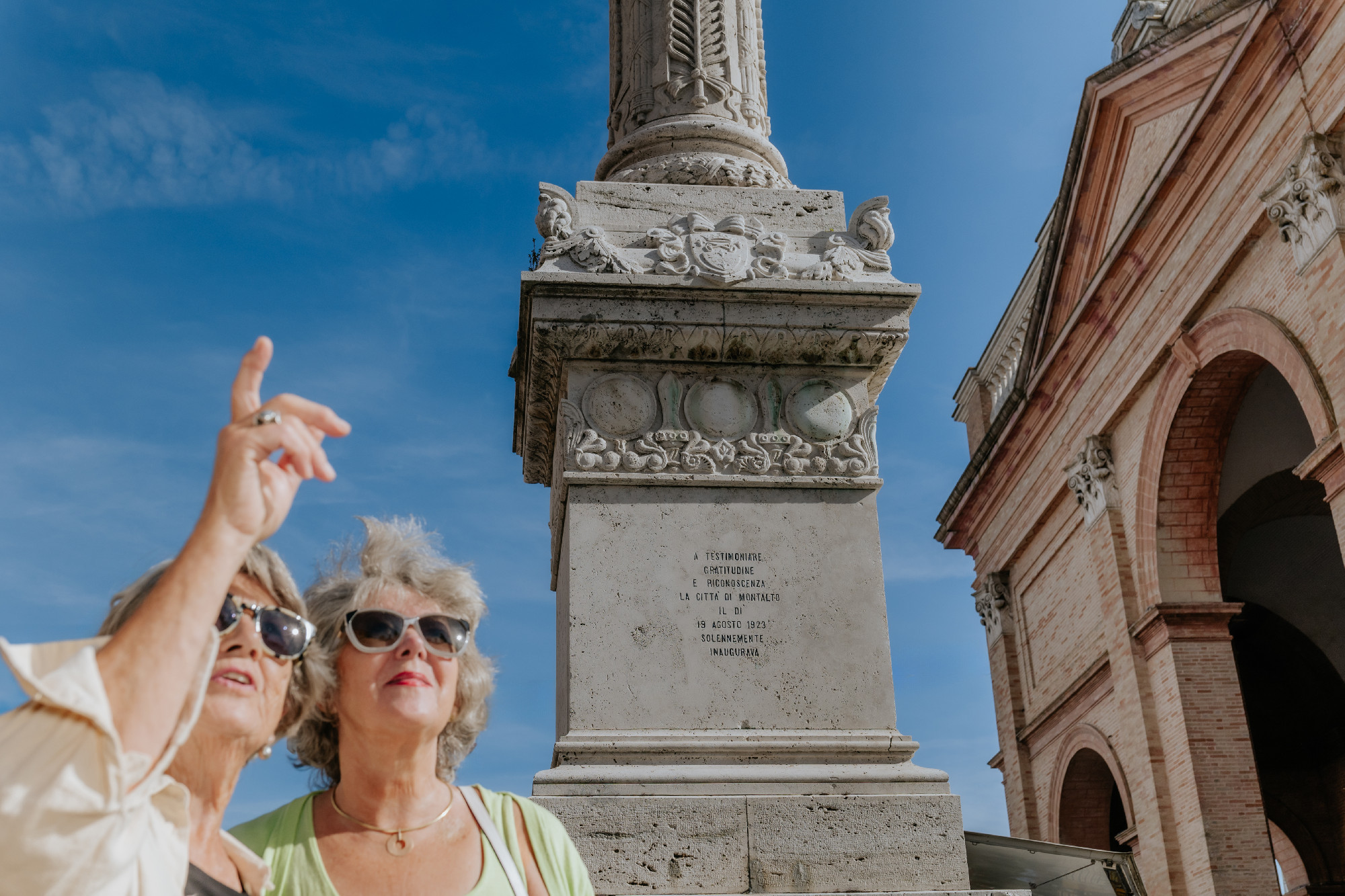
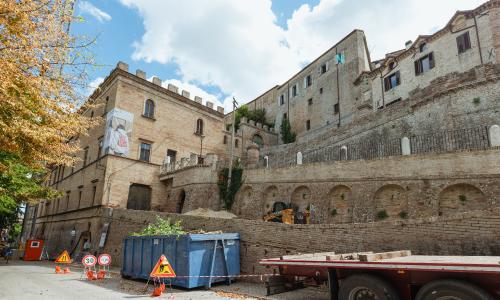
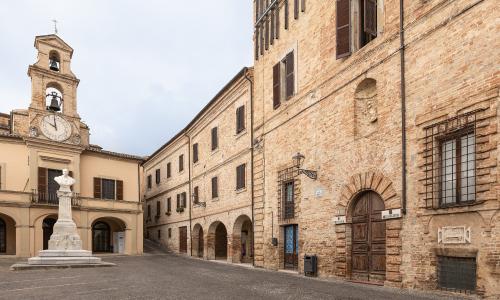
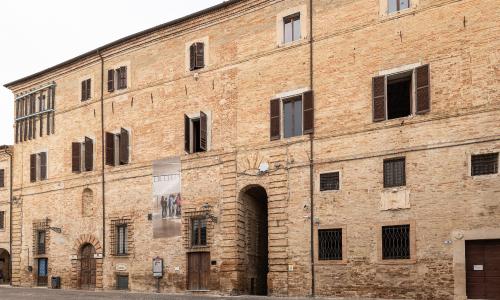
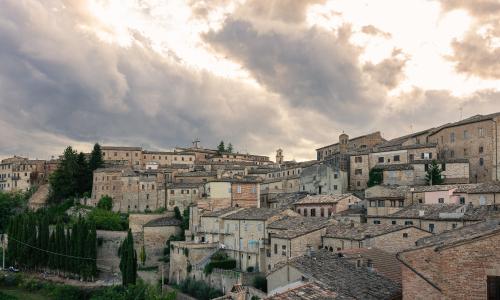
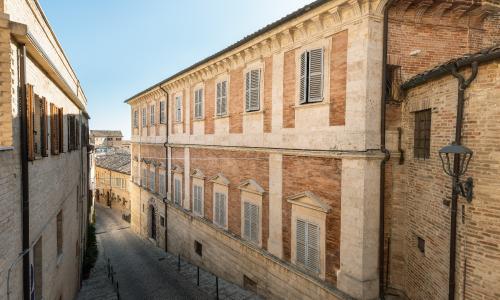
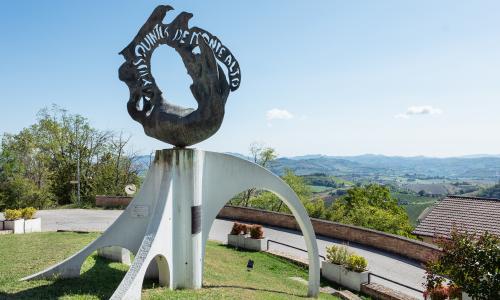
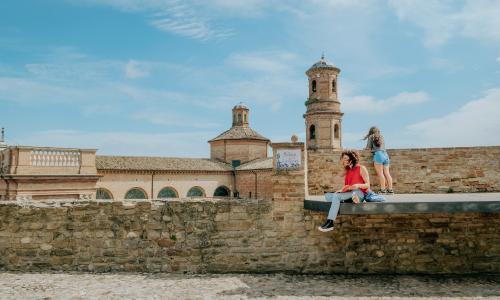
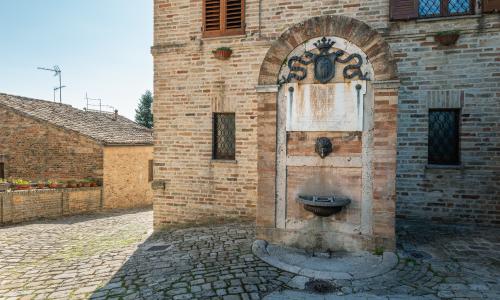
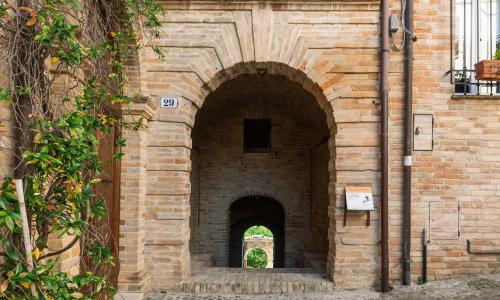
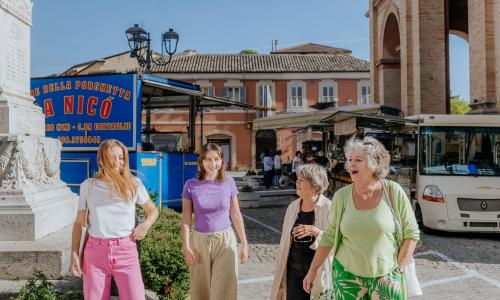
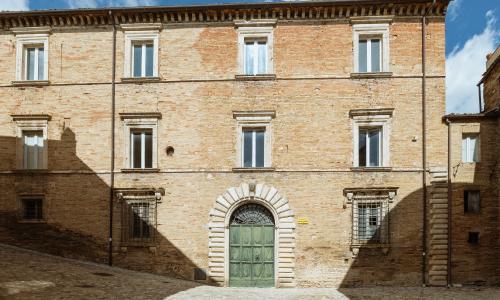
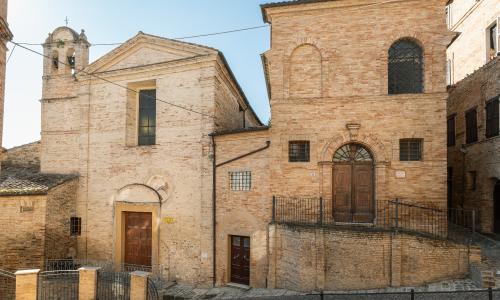
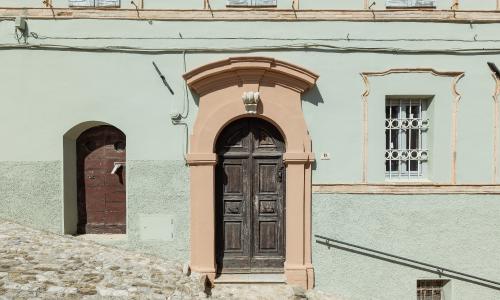
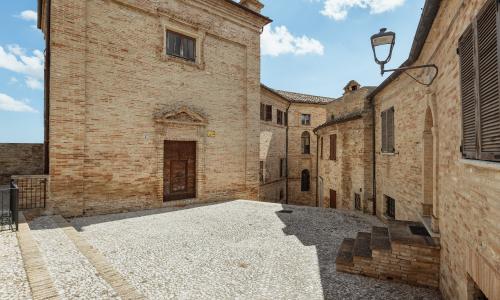
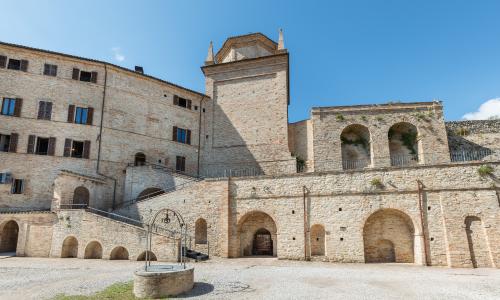
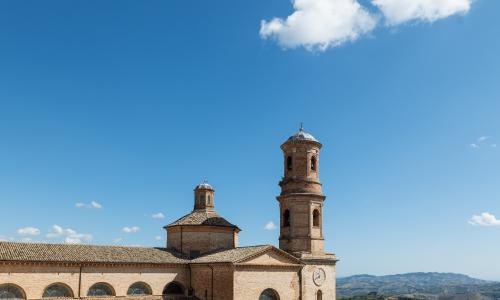
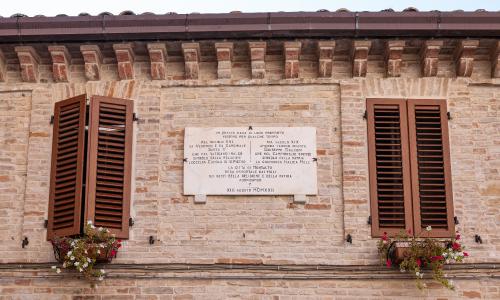
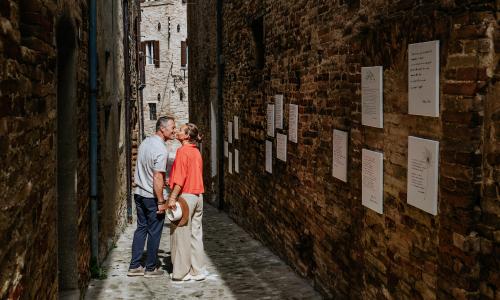
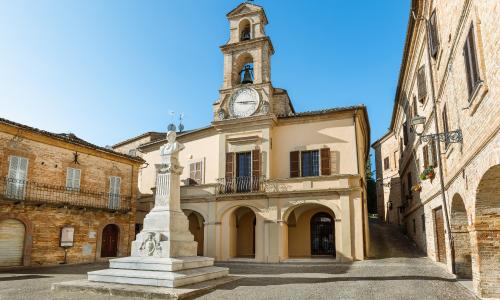
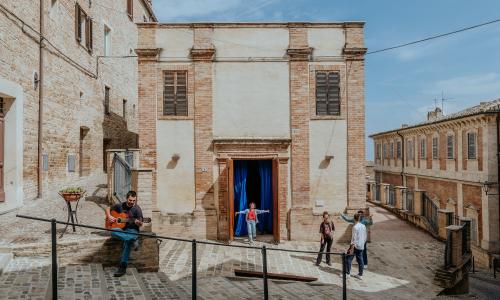
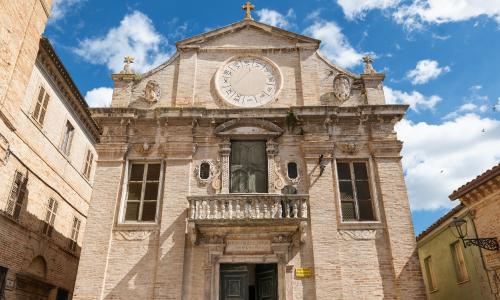
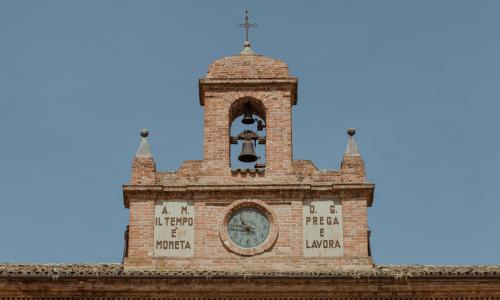
Montalto delle Marche rises atop a gentle hill at 512 meters above sea level, with its municipal territory covering 34.11 square kilometers, surrounded by the natural beauty of forests and cultivated fields. Its current urban layout is the result of centuries of history, the traces of which are still visible today.
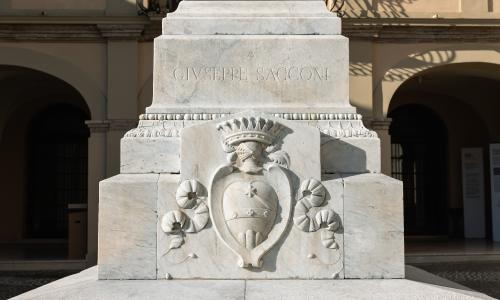
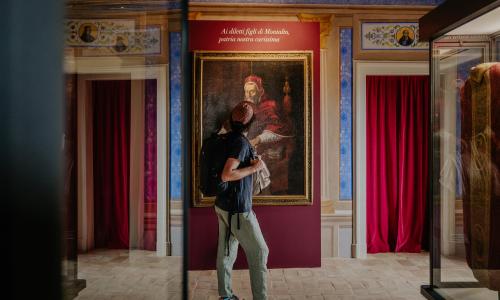
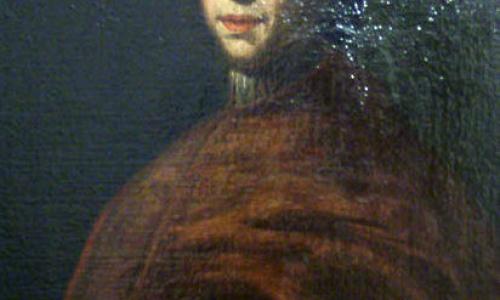
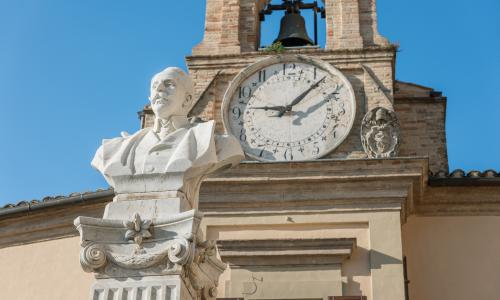
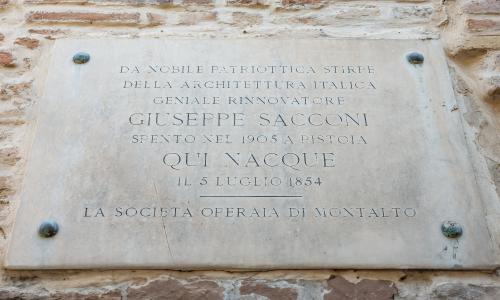
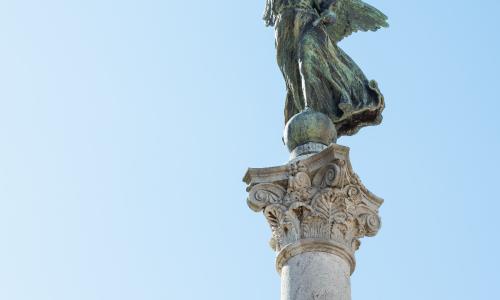
A history that is also the fruit of the love and vision of the great figures for whom Montalto has been a cradle, a homeland, and a source of inspiration. Among the most illustrious is Felice Peretti, Pope Sixtus V, of Montalto origin, who profoundly transformed Montalto in both body and soul, his “patria carissima.” And Giuseppe Sacconi, born in Montalto delle Marche, who in Rome would become the architect and designer of the Vittoriano.
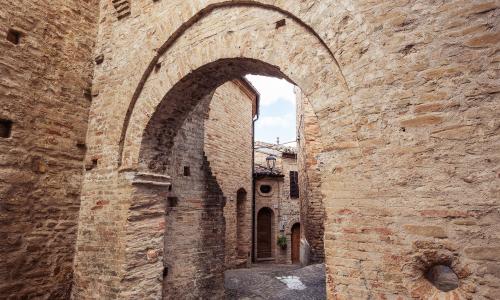
But the history of Montalto reaches back to even more ancient times. Archaeological evidence shows traces of a hut village dating to the Neolithic period, as well as a significant settlement attributed to the Apennine Civilization. A clearer historical profile emerges from the early Middle Ages, when Montalto acquired its identity through the merging of five small castles: Monte Patrizio, La Rocca, Montaltello, S. Giorgio, and S. Lorenzo. Many place names in the area are documented in the donation made in 1039 by the Lombard lord Longino di Attone to the Abbey of Farfa. Already by the year 1000, Montalto did not belong to any diocese but was under the jurisdiction of the Farfense monks settled in Matenano. At the beginning of the 14th century, it became a free commune, and in 1320 the community compiled its first cadastre—the third oldest in the Marche region—a valuable parchment volume listing all landowners, properties, crops, and valuations, providing precious insight into life at the time. The determination and love of the Montaltesi for their town is evident as early as 1380, when Montalto was besieged by the mercenaries of John Hawkwood, the most famous condottiero of the era. The mercenary failed to conquer Montalto, which resisted with unexpected strength, forcing the captain to abandon the campaign. In 1418, Montalto obtained from Pope Martin V the right to elect its own Podestà and other public officials. However, it could not resist the troops of Francesco Sforza, who occupied many lands of the Marche, nor Francesco Maria della Rovere, who, at war with Pope Leo X, invaded the territory and held the castle for over a year.
Montalto’s path into great history began in 1521 with the birth of Felice Peretti, who would become Pope Sisto V, known as the “stern pope.” Throughout his life, the pontiff showed particular attention to Montalto, elevating it to a major center in the Piceno region, granting it the title of City, creating a new Diocese, and establishing the Presidato, a group of 17 municipalities stretching from the sea to the mountains. He also launched an ambitious urban development program, designing the “New Montalto.”